Basic Drawing: A Script Font for Warm, Approachable Web Design
As a web designer, I constantly seek fonts that not only look great but also serve a functional purpose in digital layouts. Basic Drawing is one such font that stands out for its natural, handwritten charm and its ability to create a welcoming tone without sacrificing readability. Designed for use in a variety of digital environments, Basic Drawing is a versatile script typeface that can elevate brand identity, improve user engagement, and support a cohesive visual language across websites and digital products.
The Personality of Basic Drawing
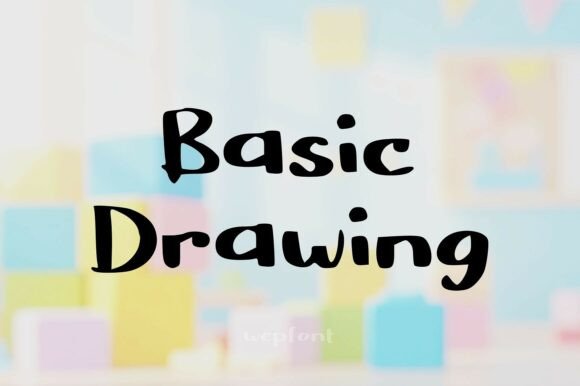
Basic Drawing is a friendly, handwritten script typeface that feels personal and approachable. Its design is rooted in natural handwriting, which gives it a warm, human feel. This makes it ideal for brands that want to convey authenticity, creativity, or a sense of community. The font’s flowing lines and subtle variations in stroke weight add character without being overly ornate, making it suitable for both casual and professional contexts.
How Basic Drawing Enhances Web Design
In web design, typography plays a crucial role in guiding the user experience. Basic Drawing excels in creating visual hierarchy and emphasizing key content. Its soft, rounded forms make it excellent for headers, hero sections, and call-to-action buttons where you want to draw attention without overwhelming the user.
For example, using Basic Drawing as a headline on a landing page can immediately set a friendly tone, encouraging users to engage with the content. When paired with a clean sans-serif body font, it creates a balanced contrast that improves readability while maintaining a visually appealing layout.
Visual Hierarchy and Readability
Basic Drawing supports strong visual hierarchy by allowing designers to emphasize certain elements through size, spacing, and placement. Its natural flow makes it easy to read at moderate sizes, though care should be taken when using it on small screens or in tight spaces like buttons and navigation menus.
On mobile devices, it’s important to ensure that Basic Drawing remains legible. Using larger text sizes and sufficient line spacing can help maintain readability. Additionally, testing the font against different background colors—especially dark or light backgrounds—can reveal how well it performs in various contexts.
Branding with Basic Drawing
When it comes to branding, the right font can make all the difference. Basic Drawing is particularly effective for creative portfolios, boutique online stores, and coaching websites where a warm, personable vibe is essential. It adds a touch of personality that aligns with brands focused on artistry, storytelling, or emotional connection.
Consider using Basic Drawing for logo text or as a signature font in your brand kit. Its handcrafted appearance can help differentiate your brand from competitors and create a memorable impression. For instance, a course sales page might benefit from Basic Drawing in the title to highlight the unique value of the offering while keeping the rest of the content clean and professional.
Font Pairing Strategies
Pairing Basic Drawing with complementary fonts can enhance its strengths while balancing the overall design. A common pairing is to use it as a display font alongside a simple sans-serif font for body copy. This combination works well for editorial-style websites, blog headers, or social media graphics where clarity and style are equally important.
Alternatively, pairing it with a serif font can give a more refined, editorial feel. This is useful for digital magazines, news sites, or packaging designs where a blend of warmth and professionalism is desired. Experimenting with different weights and styles can also help customize the font to fit specific project needs.
Practical Applications of Basic Drawing
Basic Drawing is a flexible font that can be used in multiple digital formats. Here are some practical examples:
- Hero Sections: Use it for main headlines to create an inviting first impression.
- Call-to-Action Buttons: Its friendly style encourages clicks and conversions.
- Blog Headers: It adds a creative edge to content marketing pages.
- Online Store Banners: It helps showcase products in a stylish, approachable way.
- Portfolio Websites: It reflects the designer’s personality and creativity.
- Digital Ads: It stands out in competitive environments while maintaining readability.
Responsive Design Considerations
When implementing Basic Drawing in responsive layouts, it’s important to consider how it behaves across different screen sizes. On desktops, the font may appear elegant and detailed, but on smaller screens, it can become less legible if not properly scaled. Ensuring that the font loads efficiently and adjusts to varying resolutions is key to maintaining a seamless user experience.
Additionally, using webfont services like Google Fonts or Adobe Fonts ensures that Basic Drawing is accessible across all platforms and devices. Checking for included styles, file formats, and multilingual support can also help in expanding the font’s usability for international audiences.
Commercial Font Licensing and Usage
Before using Basic Drawing in client projects, online stores, or digital templates, it’s essential to review the commercial font licensing terms. Most premium fonts, including Basic Drawing, offer clear guidelines on usage rights, which typically include unlimited use for personal and commercial projects, provided the license is properly acquired.
Whether you’re building a SaaS product, designing a blog, or launching a new brand, understanding the licensing details ensures that your use of Basic Drawing is both legal and effective. Always check for alternates, weights, and additional styles that may be available to suit your design needs.
Ultimately, Basic Drawing is more than just a font—it’s a tool for shaping user experience, reinforcing brand identity, and enhancing the visual appeal of digital content. By leveraging its warm, approachable style, web designers and creators can build more engaging, memorable, and user-friendly digital experiences.